How Beauty Brands Reduce Plastic Packaging
3 хв читання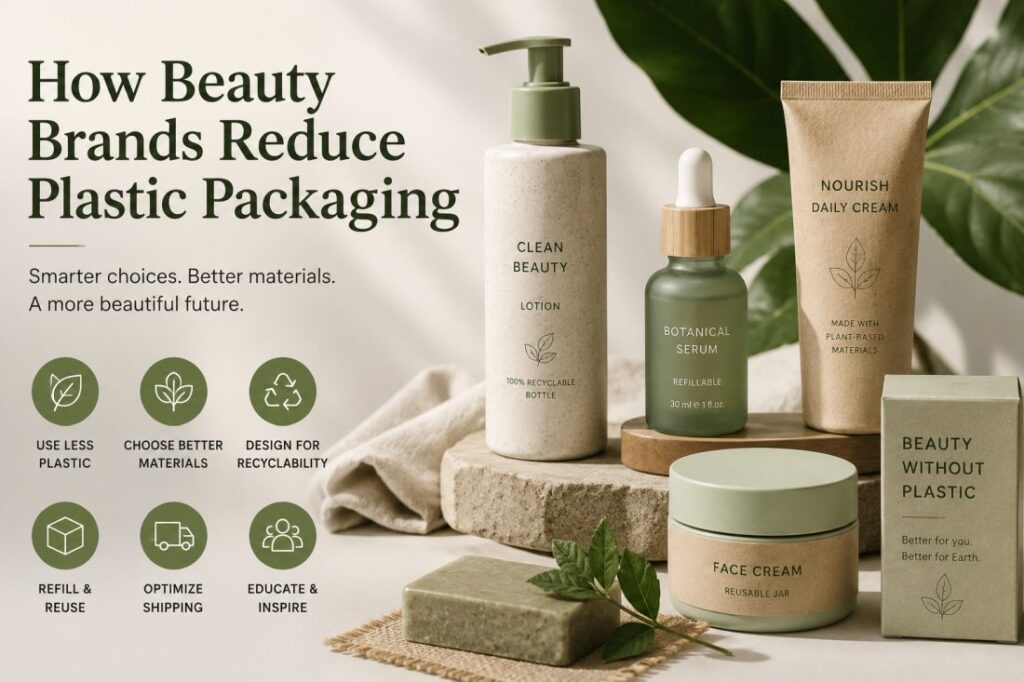
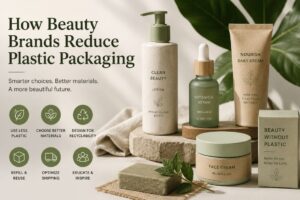
Beauty brands reduce plastic packaging by using lighter components, recycled content, refill systems, simpler caps, and packaging formats that avoid unnecessary secondary material. This decision affects how the product looks, how it dispenses, what claims the brand can make, and how consistently the supplier can repeat the package. For a brand auditing its packaging line for realistic plastic reduction opportunities, the safest starting point is a clear brief instead of a loose material preference.
Start by defining the formula, user environment, sales channel, and launch quantity. A tube for hand cream, cleanser, sunscreen, or lotion has different pressure, sealing, and decoration needs than a bottle, jar, refill pack, or promotional sample. The packaging should protect the formula first, then support the brand story.
Format Options and Buyer Use Cases
Common options include lightweight tubes, PCR bottles, refillable shampoo bottles, mono-material packaging, reduced caps, recyclable cartons, concentrated formulas, and refill pouches. These formats can support different goals, but they should not be chosen only because they sound sustainable or premium. A buyer should ask how each option behaves during filling, shipping, storage, daily use, and repeat ordering.
For a practical sourcing reference, buyers can review sustainable packaging and compare the available material families, customization routes, and service options with their own product brief. The linked page should be treated as a starting point; final approval still depends on drawings, samples, filled tests, claim review, and written specifications.
Materials, Claims and Compatibility
Sustainability claims need careful language. PCR means recycled material from post-consumer sources, sugarcane PE usually refers to bio-based feedstock, kraft laminated tubes offer a paper-inspired surface, and recyclable structures depend on material compatibility and local recovery systems. If a claim will appear on a carton, product page, or retailer form, keep supplier documents with the project file.
Specification Checklist
A complete specification should include capacity, dimensions, material, closure, decoration method, color standard, artwork files, packing method, and inspection criteria. For this topic, pay special attention to product protection, weight reduction, user convenience, refill hygiene, cap durability, supply stability, and whether the customer understands the system. These details prevent mismatched quotes and reduce the risk of approving a sample that cannot be repeated in production.
- Confirm the formula, fill volume, sales channel, and user environment.
- Match material, closure, printing, and claim language to the real package.
- Request empty, filled, and decorated samples before mass production.
- Keep certificates, drawings, color standards, and approved samples on file.
Sampling and Quality Control
Sampling should move through three stages. Empty samples confirm size, hand feel, cap fit, and visual direction. Filled samples reveal leakage, staining, odor transfer, squeeze recovery, pump function, or barrier concerns. Decorated samples show whether the final logo, color, foil, label, or matte finish works on the real surface.
Quality control should be planned before the purchase order. Useful checks include dimensions, sealing, cap torque, print registration, color consistency, surface marks, carton protection, and random inspection after packing. For repeat orders, keep an approved master sample and record any change in material, cap, artwork, or packaging method.
MOQ, Cost and Production Planning
Commercial planning matters as much as design. MOQ, tooling cost, decoration setup, sample lead time, production lead time, and freight volume can change the best choice. Startups may benefit from stock formats with custom printing, while established brands may justify custom molds or more advanced eco-material programs.
Final Recommendation
The best recommendation is to treat how beauty brands reduce plastic packaging as a packaging system made of material, structure, decoration, claims, testing, and supply planning. When the brief, samples, and supplier documents all agree, the final package is more likely to look credible, protect the formula, and support repeat production.